
The Most Common Workwear Mistakes on Construction Sites
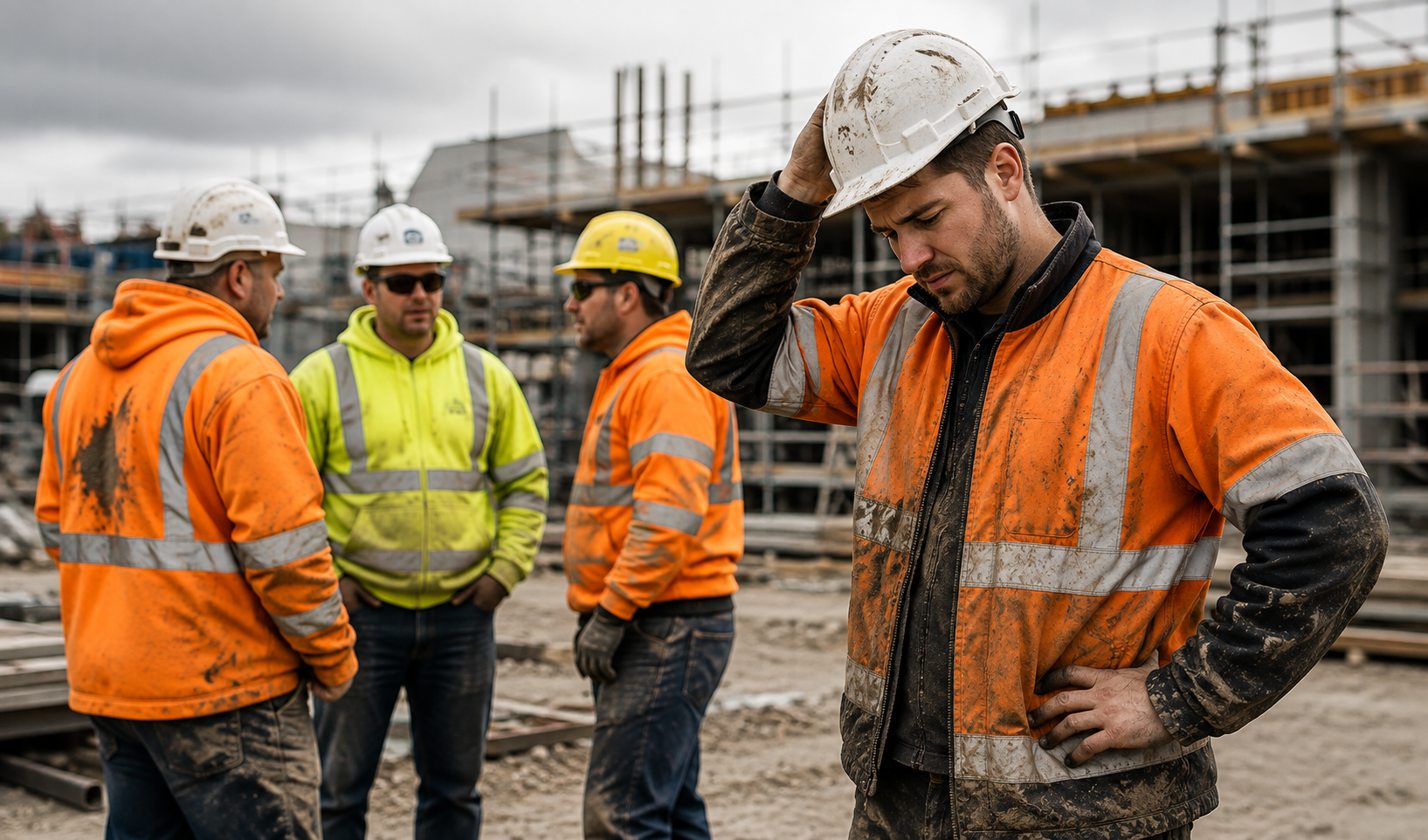
The Most Common Workwear Mistakes on Construction Sites
Construction workwear is one of the most visible components of a site's safety programme.
Yet many businesses only review workwear when garments need replacing or a compliance issue arises. The result can be increased risk, reduced productivity and unnecessary operating costs.
A proactive approach to workwear selection and management helps improve safety outcomes while creating a more professional workforce.
Treating Workwear as a Purchasing Decision
One of the most common mistakes is selecting workwear based solely on price.
While lower-cost garments may reduce initial expenditure, they often result in:
• Shorter garment lifespan
• More frequent replacements
• Lower worker comfort
• Reduced durability
• Higher long-term costs
The most effective construction businesses evaluate workwear based on total cost of ownership rather than purchase price alone.
Allowing PPE Standards to Drift
Over time, PPE standards can become inconsistent across teams and sites.
Common issues include:
• Worn hi-vis garments
• Damaged safety footwear
• Missing PPE
• Unapproved clothing
• Inconsistent site standards
Regular audits help ensure compliance remains consistent across the workforce.
Ignoring New Zealand Conditions
Construction teams regularly face:
• Rain
• Strong winds
• Cold mornings
• Intense UV exposure
• Rapid weather changes
A workwear programme designed solely around summer conditions often fails during the rest of the year.
Not sure whether your current workwear programme is supporting site safety and compliance? Westpeak can help review your requirements.
Delaying Garment Replacement
Visibility, waterproofing and garment integrity all deteriorate over time.
Replacing workwear only when it becomes unusable can increase both safety and presentation risks.
Consider implementing:
• Scheduled inspections
• Replacement guidelines
• PPE audits
• Garment condition checks
Overlooking Worker Comfort
Construction work is physically demanding.
Poorly fitted garments can contribute to:
• Reduced mobility
• Lower productivity
• Worker frustration
• Reduced PPE compliance
Comfortable workers are more likely to wear approved clothing consistently throughout the day.
Inconsistent Branding Across Projects
Construction workers are highly visible to:
• Clients
• Project managers
• Contractors
• The public
Consistent branded workwear helps reinforce professionalism while strengthening brand recognition across multiple projects.
Frequently Asked Questions
Why is construction workwear important?
It supports safety, compliance, visibility and workforce professionalism.
How often should workwear be replaced?
Replacement depends on garment condition, site conditions and frequency of use.
Does quality workwear improve safety?
Yes. Durable, comfortable garments often improve compliance and worker performance.
Should workwear be standardised?
Yes. Standardisation improves consistency, simplifies management and strengthens brand presentation.
Build a Safer Workwear Programme
The best construction workwear programmes reduce risk, support compliance and improve workforce presentation.
Westpeak helps construction businesses develop practical workwear and PPE programmes designed specifically for New Zealand construction environments.
Talk to Westpeak about creating a construction workwear programme that improves safety, compliance and operational performance.